
Sectors
Where we work
The survey methods do not change much between a housing site and a solar farm. The regulator, the deadline and the consequence of being wrong all do.
Housing & mixed use
From nine units to 1,400. Most of our work, most of our planning conditions discharged, and where biodiversity net gain bites hardest.
Energy & renewables
Solar, battery storage and grid connection. Glint and glare, skylark plots, cable route ecology and the Habitats Regulations screening nobody budgeted for.
Water utilities
Framework work for two undertakers: treatment works upgrades, storm overflow schemes, and permit variations against an AMP deadline.
Transport & rail
Vegetation clearance ecology, noise and vibration near track, and lineside contaminated land where the ballast has been there since 1898.
Industry & manufacturing
Environmental permits, BS 4142 boundary assessments, odour, and the compliance letters that follow an unannounced regulator visit.
Waste & resource
Permit applications and variations, landfill gas risk assessment, and the closure and aftercare plans that outlive everyone who wrote them.
Where we do not work
Three things we turn down
We do not do nuclear. The regulatory regime is a specialism and a fifty-four-person practice cannot hold that competence honestly alongside six others.
We do not do marine and coastal work below the mean low water mark. We have no vessel, no marine mammal observers and no experience of a marine licence application, and the correct answer to a client asking is a recommendation to two firms who do.
We do not take EIA coordination on a scheme where we hold none of the technical chapters. It sounds like a good business — project management fee, no delivery risk — and in practice a coordinator with no chapter of their own has no standing to tell a subconsultant their input is late.
Geographically we work across the Thames Valley, the South East and the Cotswolds, and we will travel further for water framework and permitting work. Beyond about two hours from Reading the travel starts to show up in the fee and in the survey quality, and we would rather say so.
Recent work
Projects across these sectors
 Housing
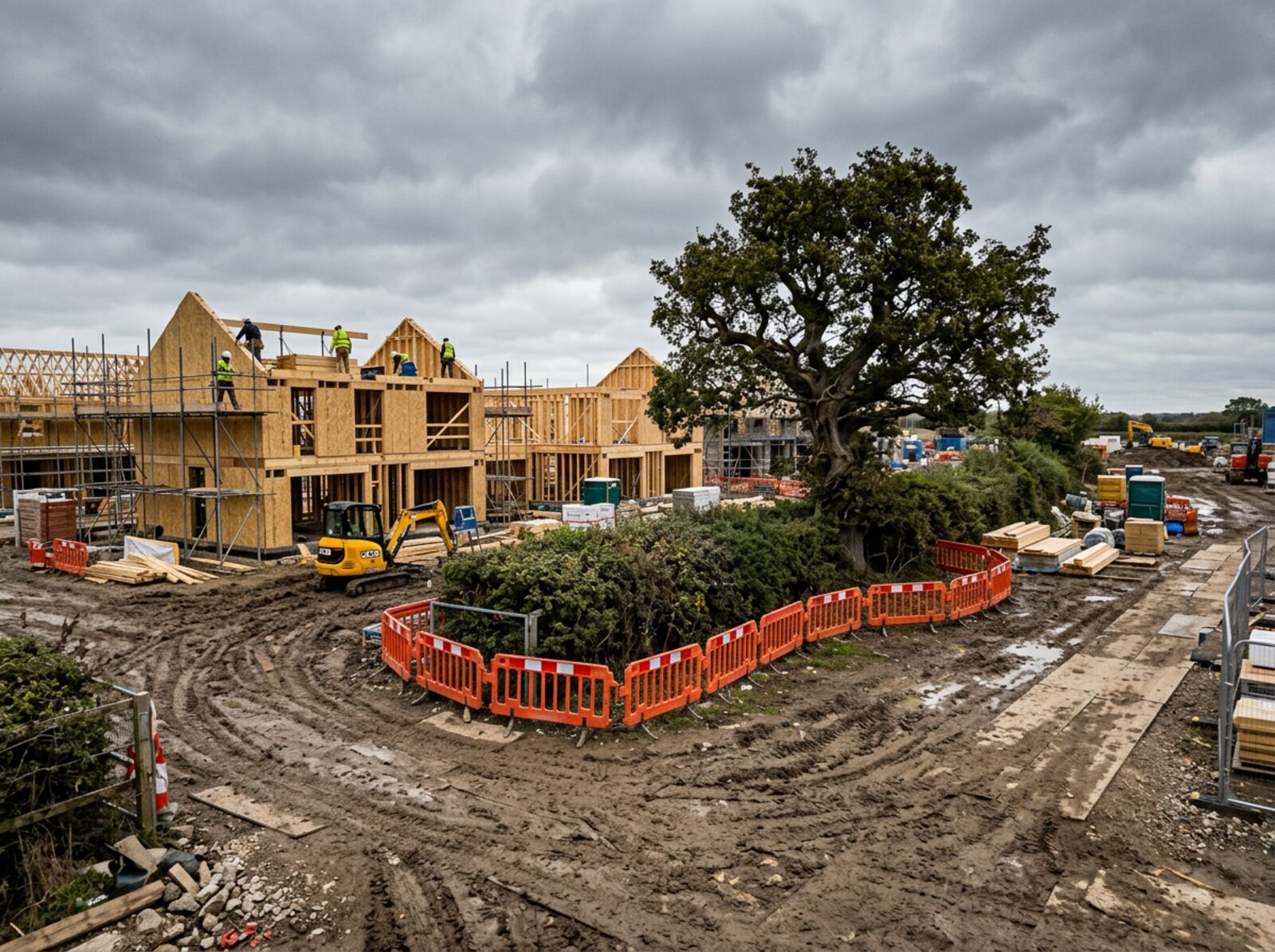
Marlow Reach
A 212-unit scheme that reached 12.4% biodiversity net gain on site by moving a drainage basin at concept stage, and kept an oak that the first layout had removed.
Read more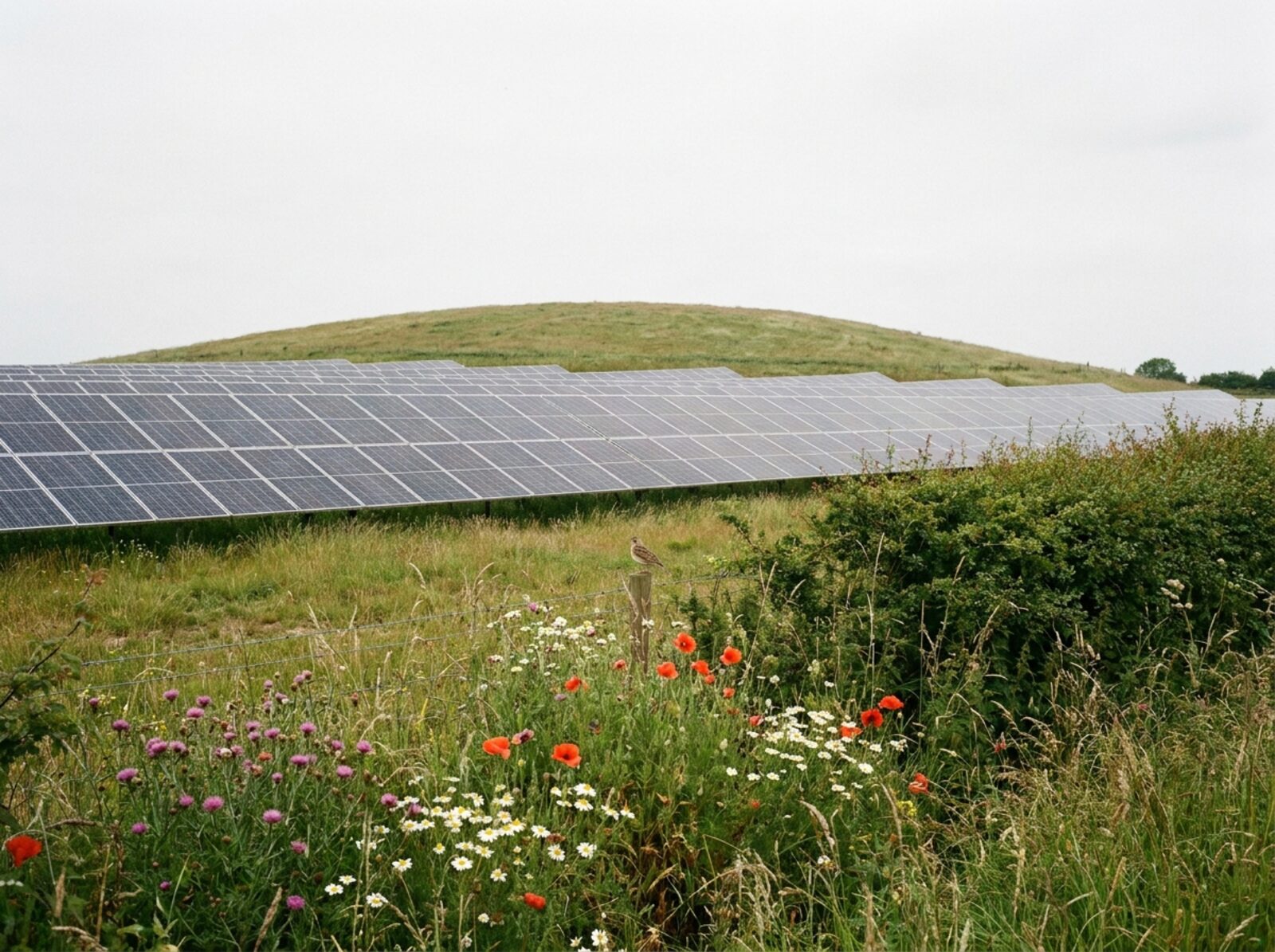 Energy
Ridgeway Solar
18 MW on a capped 1970s landfill. The gas risk assessment was the whole job; the ecology and glint work took three weeks.
Read more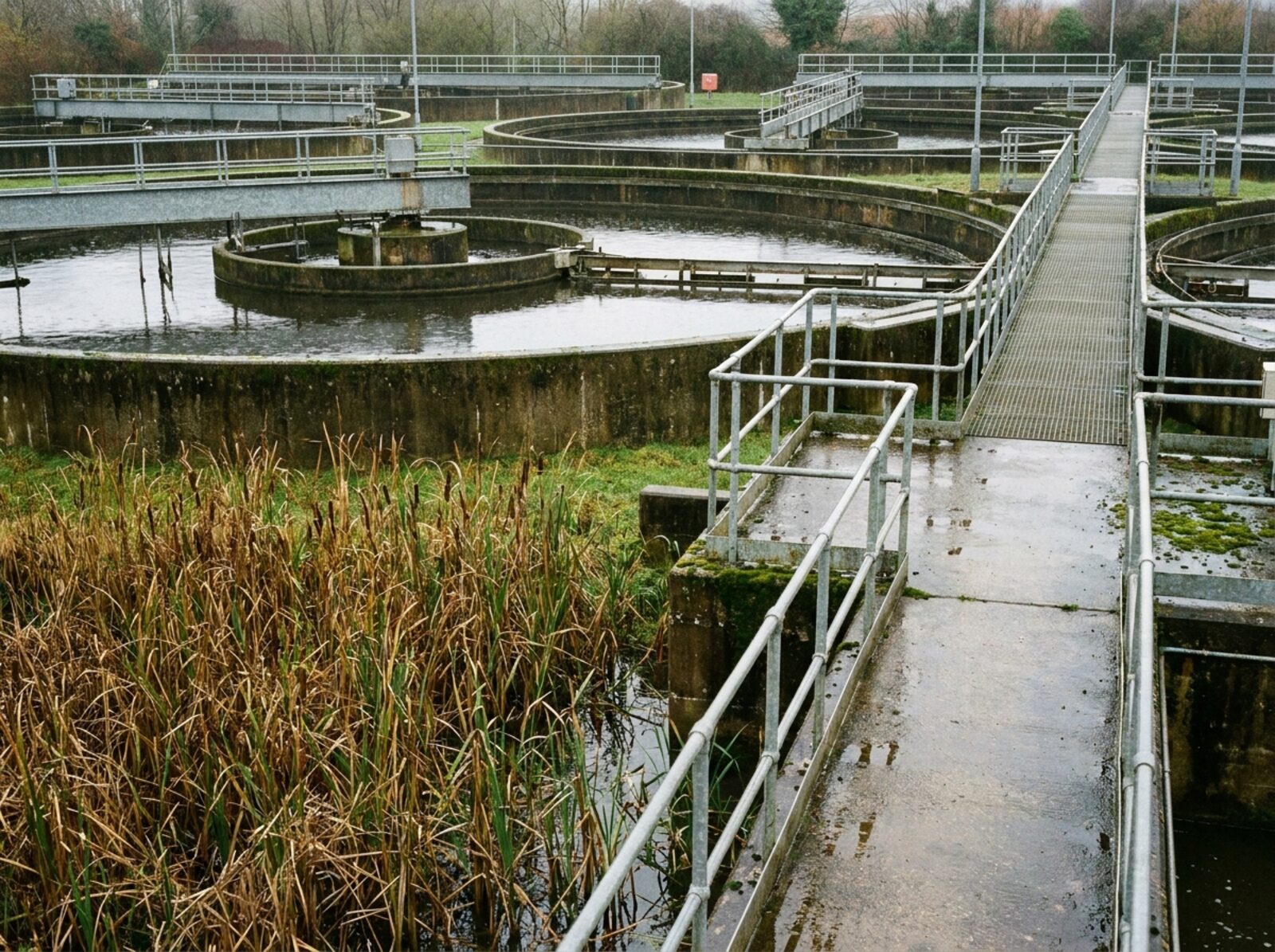 Water
Water
Kennet storm overflow
Permit variation and WFD assessment for a 14,000 m³ storm tank, delivered against an AMP deadline with four weeks of contingency and no extension of time.
Read moreGet in touch
Tell us about the site before you buy it
A twenty-minute call at option stage is the cheapest environmental advice you will ever take, and occasionally it is the advice not to proceed.